Monthly Archives: ஜூன் 2007

Sathguru Jaggi Vasudev’s Esha Yoga

தன்னை உணர்வதற்கான அமைதிப் புரட்சி :: மாரீசன்
புதிய பார்வை – ஏப்ரல் 16-30, 2007

சமூகம் என்பது பல்வேறு மனிதர்களின் தொகுப்பு. மனிதன் என்பவன் பல்வேறு சிந்தனைகளால் அலைக்கழிக்கப்படும் சமூகப்பிரஜையாக இருக்கிறான். ஒவ்வொரு தனிமனிதனுக்குள்ளும் குறுக்கும் நெடுக்குமாகப் பல்வேறு சிந்தனைகள் எப்போதும் ஓடிக்கொண்டே இருக்கின்றன. எந்தப் பணியில் ஈடுபட்டிருந்தாலும் அந்தப் பணியில் கவனமும் அதை விட்டு விலகிய வேறு பல சிந்தனைகளும் ஒரு சினிமாவைப் போல் ஒவ்வொரு மனிதனுக்குள்ளும் ஓடிக்கொண்டே இருக்கிறது.

இத்தகைய சிந்தனைகளே அடிப்படைத் தேவைகள் பூர்த்தியடைந்த மனிதனை வேறு தள வரிசைக்கு இட்டுச் செல்கிறது. இதனையே நாம் தேடுதல் என்றுக் குறிப்பிடுகிறோம். இந்தத் தேடுதல் என்பது வாழ்க்கை முழுமை அடையாத தன்மையை, அதிருப்தியை, நாகரிகமாகக் குறிக்கிறது.

தேடுதல் என்பது எது குறித்து நிகழ்கிறது? எதனைத் தேடுகிறோம்? என்ற பல உளவியல், ஆன்மிகம் சார்ந்த கேள்விகளை உள்ளடக்கியே இருக்கிறது. அவரவர் அனுபவர்த்திற்கும் சமூகச் சூழலுக்கும் ஏற்ற வண்ணம் தேடுதலை மனிதர்கள் அமைத்துக் கொள்கிறார்கள். வேகமாக மாறிவரும் வாழ்க்கை, கலாசார சிதைவு, பல்வேறு ஊடகங்களின் தாக்குதல், நவ நாகரிக உலகின் ஊடுருவல்கள் தனி மனிதனைப் பல்வேறு மன உளைச்சலுக்கு ஆட்படுத்துகின்றன. உண்ண உணவு, உடுக்க உடை, இருக்க இடம், அன்பு செலுத்த மனிதர்கள் என்ற நிலையில் வாழ்ந்தாலும் அவனுக்குள் ஏதோ ஒரு தாகம், அதிருப்தி இருந்துகொண்டே இருக்கிறது. அதற்கான விடையைத் தேடுபவனையே நாம் தேடுதலில் உள்ளவன் என்று குறிக்கிறோம்.

இவனுக்கு வழிகாட்ட எப்போதுமே சமூகத்தில் உளவியல் அறிஞர்கள், சிந்தனையாளர்கள், எழுத்தாளர்கள், கலைஞர்கள், மதவாதிகள், ஆன்மிகவாதிகள் எனப் பல்வேறு ஆளுமைகள் இயங்கிக் கொண்டே இருக்கின்றன. எந்த ஒரு துறையில் மிக ஆழமாக ஈடுபட்டாலும் அந்த ஒரு குறிப்பிட்ட துறையின் ஆளுமை வளர்கிறதே தவிர வாழ்வில் முழுமை வருவதே இல்லை. எனில் வாழ்வின் முழுமை எதில்தான் இருக்கிறது?
Links – Asian Studies: Sociology, Literature, Reference, Research

Journals and Presses

Duke University Press Main Page
Duke University Press Journals Page
Johns Hopkins University Press Journals Division
University of Chicago Press Journals Division
University of California Press Journals
Indiana University Press Journals
Inter-Asia Cultural Studies
Critical Asian Studies
Columbia East Asian Review
Harvard Asia Pacific Review
Scholarly Journals Distributed Via the World-Wide Web
Association of American University Presses
Asian Studies Programs

Association for Asian Studies
Critical Asian Studies, Center for the Humanities at UW
UW Asian Languages & Literature Department
UW American Ethnic Studies Department
University of California at Berkeley Ethnic Studies Department
Australia National University-Asian Studies WWW Virtual Library

Other Resources

University of Michigan Asia Library
Chinese-Language-Related Information Page
Society for Cinema Studies

Azhagiri = Karl Rove; Attack Paandi = Scooter Libby; Karunanidhi = Dick Cheney

ச:ஸ்கூட்டர் லிபிக்கு சிறை

இந்த மாதிரி ஒரு பம்மாத்து அமெரிக்க அரசியலில் சகஜம்தான் என்றாலும் வருந்த்தந்தரக் கூடியது 😦

லிபிக்கு எதற்காக தன்டனை கொடுத்திருக்கிறார்கள்? பொய் சொன்னதற்காக. கிட்டத்தட்ட மார்த்தா ஸ்டூவர்டுக்கும் இதே போன்ற உப்பு சப்பில்லாத குற்றத்தை நிரூபித்திருந்தார்கள். அங்கே வேறு எதையும் பெயர்க்கமுடியவில்லை. இங்கேத் தோண்டினால், அடித்தளமே ஆட்டம் காணும் அபாயம்.

சி.ஐ.ஏ. உளவாளி வாலரி ப்ளேமை வெளிப்படுத்தியதில் தன்னுடைய பொறுப்பை உண்மையாக முன்வைக்காத குற்றத்திற்காக தன்டனை.

ஒற்றரின் பெயரைப் போட்டுக் கொடுத்தற்காக லிபியின் மேல் குற்றமேதும் சாட்டப்படவில்லை. ப்ளேம்-தான் வேவு பார்ப்பவர் என்று உலகெங்கும் ஓத வைத்த மூன்று வெள்ளை மாளிகைவாசிகள்:

  • முன்னாள் உள்துறை அமைச்சர் ரிச்சர்ட் ஆர்மிட்டாஜ்
  • ஜி.டபிள்யூ.புஷ்ஷின் ஆலோசகர் கார்ல் ரோவ்
  • ஊடகத் தொடர்பாளர் ஆரி ஃப்ளெச்சர்

தெரியக்கூடாத விஷயத்தை, தங்களுடைய சொந்த லாபத்துக்காக, குற்றஞ்சாட்டிய ப்ளேமின் கணவன் வாயை அடைப்பதற்காக, காட்டிக் கொடுத்தவர்கள் எல்லாரும் உல்லாசபுரியில் சுதந்திரப்பறவைகள்.

மூன்றரை வருஷம் துப்பு துலக்கலின் முடிவில் பகடைக் காயாக உருட்டப்பட்டவர் சிறைக்கைதியாகி, நியாயம் கிடைத்த மாதிரி பாவ்லா நாடகத்தின் துருப்புச்சீட்டாகிறார்.

தன்னுடைய வாக்குமூலத்தில் துணை ஜனாதிபதி டிக் செனி-தான் ‘சொல்லச் சொன்னார்’ என்று சத்திய பிரமாணம் செய்தும், சேனி-யை விசாரிக்கக் கூட அழைக்காத நீதி விசாரணை முடிவுறுகிறது.

தலைப்பைக் கொண்டு வரலாம்…

  • மதுரை அரசன் முக அழகிரி ==> கோபம் தலைக்கேறி சூட்சுமமாக சூத்திரதாரியாக செயல்பட்ட கார்ல் ரோவ்
  • அட்டாக் பாண்டி ==> ஸ்கூட்டர் லிபி
  • கலைஞர் கருணாநிதி ==> துணை ஜனாதிபதி

USA Primary & Presidential Series – 1: Why Al Gore will not Run?

புஷ் விட்டுப் போன எச்சங்களை சரி செய்யவே எட்டாண்டுகள் போதாது:

  • உலகெங்கும் படிந்துள்ள அமெரிக்க வெறுப்பு
  • கனடா, ஃப்ரான்ஸ், ஜெர்மனி போன்ற நீண்ட கால சகாக்களே, அமெரிக்காவுடன் பிணக்கு பாராட்டும் காலம்
  • அணு ஆயுத நாடாக ஈரான் மாறும் தருணம்; இரான் மேல் போர் தொடுக்கக்கூடிய நிர்ப்பந்தம்
  • இரான் எவ்வழி… வட கொரியா அவ்வழி செல்லும் அபாயம் (அமெரிக்காவுக்கும் அலாஸ்காவுக்கும்)
  • இராக் உள்நாட்டுக் குழப்பம்
  • ஆஃப்கானிஸ்தானில் தலிபானின் வளரும் செல்வாக்கு + ஆதிக்கம்

க்ளிண்டனுக்குப் பிறகு வர விரும்பினார். தற்போதைய சூழலில்

  • ஹாலிவுட் செல்வாக்கு
  • சுற்றுச்சூழல் தேவதூதன்
  • ‘சுதந்திரக் கட்சி’யின் நட்சத்திர நாயகன்
  • பணந்திரட்டும் கொடைவள்ளல்

என்று நல்ல பெயரை காத்து, ‘முன்னாள் ஜனாதிபதி’ போன்ற கெத்துடன் பட்டும் படாமல் சூப்பர்ஸ்டார் (ரஜினிதான் 😉 வாழ்வே மேல்!

தசாவதாரத்தை குறை சொல்லும் ‘அரசு பதில்கள்’

ஆர்.சுகுமாரன், பொள்ளாச்சி

வெயில், மொழி, பருத்திவீரன், சென்னை 28 – வரிசையாக வெற்றி பெறும் வித்தியாசமான படங்கள் தமிழ் சினிமாவை மாற்றுமா?

மாற்றாது. கீழே பிடித்து இழுக்கும் தவளைகள் சும்மா இருக்காது.

கமலின் தசாவதாரம் வருவதற்கு முன்பே விமர்சிப்பதற்காக என் கண்டனங்களை பதிவு செய்து வைக்கிறேன் 😛

River water inter-linking – National Intergration: Tamil Veli Survey

மக்கள் குரல் – தமிழ்வெளி

  • என்னோட வாக்கு – பலன் தரும்

நதிநீர் இணைப்பு தொடர்பான செய்திகள்

  • பலன் தரும்
  • ஏமாற்று வேலை. பிரச்சனையை நீர்க்க செய்யும் உத்தி
  • நடைமுறை சாத்தியமற்றது
  • மாற்று நீராதாரங்களை உருவாக்க வேண்டும்

Clinton Addresses Harvard Grads

Former President Bill Clinton told more than 1,600 graduating seniors at Harvard College that the biggest problem facing humanity today is people’s tendency to highlight differences and reject their common humanity.

  • ‘I was considering why I was chosen to speak. Maybe because you’re about to name (Drew Gilpin) Faust president, and I think women should run everything now,’ Clinton said in a not-so-veiled reference to his wife, New York Sen. Hillary Rodham Clinton.
  • ‘I believe one of the most important problems is the way people think about each other, that our differences are more important than our humanity, when our humanity is more important than our differences’.
  • “For all the opportunity, there’s a lot of inequality”.
  • “The world is awash today with political, psychological conflicts, which require us to divide up and demean people.”

Quotable Quotes – தந்தை பெரியார் அறிவுரை

வயிறு வளர்க்கும் கூட்டம்

“ஒரு விசயத்தைப் பற்றிச் சரியோ, தப்போ என்பதைக் கவனிக்காமல், எதைச் சொன்னாலும் ஏட்டிக்குப் போட்டியாய் வம்பளந்து வயிறு வளர்ப்பதையே வாழ்க்கையாய்க் கொண்ட மக்கள் உலகம் எங்கும் இருந்துதான் வருகின்றார்கள். இவர்களுடைய உதவி யாருக்கும், எவ்வளவு குறைந்த விலைக்கும் கிடைக்கக் கூடும்.”

(“குடிஅரசு”, 25.12.1932)

எனது ஆசை
“எனக்கு ஆசை எல்லாம், மக்கள் பகுத்தறிவாளர்கள் ஆகவேண்டும்; ஜாதி ஒழியவேண்டும்; உலகில் `பார்ப்பனர்’ இருக்கக் கூடாது. இதுதான் என் கொள்கை.”

(“விடுதலை”, 28.8.1972)

சீர்திருத்தம்
“ஒரு சிறு சீர்திருத்தம் கொண்டு வருகின்ற காலத்திலும் சீர்திருத்த விரோதிகள் எழுந்து நின்று ‘வந்துவிட்டது மதத்திற்கு ஆபத்து‘, ‘மதம் போச்சுது, மதம் போச்சுது‘ எனக் கூப்பாடு போட்டால், இந்த நிலைமையில் சீர்திருத்தக்காரர்கள் என்ன செய்ய முடியும்?’
(‘குடிஅரசு’, 30.8.1931)

முன்னேற்ற உணர்ச்சி ஏற்பட
“ஒரு நாட்டு மக்களுக்கும், சமுதாய மக்களுக்கும் முன்னேற்ற உணர்ச்சி ஏற்பட வேண்டுமானால், அந்த மக்களுக்கு முதலில் தாங்கள் யார் என்ற உணர்ச்சி பிறந்து, தங்களைப் பற்றித் தெளிவாய்த் தெரிந்து கொண்டு அதன் பயனாக, நாட்டுப் பற்றும், சமுதாயப் பற்றும் ஏற்பட்டாக வேண்டும்.”
(‘குடிஅரசு’, 25.8.1940)

தேர்தலும் – பொதுவுடைமையும்
“எலக்ஷன் போட்டி காலத்தில் பதவியையும், அதிகாரத்தையும் கைப்பற்ற வேண்டும் என்ற தேசியத்தின் பேராலும், சமுதாயத்தின் பேராலும் நடக்கும் போட்டியில் கலந்து கொண்டு பொது உடைமைப் பிரசாரமோ, சமதர்மப் பிரசாரமோ செய்வது என்பது ஒரு நாளும் அறிவுடைமையான காரியமோ, யோக்கியமான காரியம் என்றோ சொல்லிவிட முடியாது.”
(‘குடிஅரசு’, 12.6.1936)

World’s Spotlight Misses the True Cost of Disasters

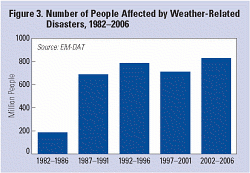
The number of people affected by weather-related disasters has risen since 1982

People affected by weather related disasters

Weather-related disasters include those caused by heat waves or cold snaps, floods, landslides, avalanches, wildfires, hurricanes, cyclones, typhoons, and winter storms. While these events are often perceived as natural, many human actions, including climate change, can have a hand in their creation.

Natural Disasters & Peacemaking

In 2006, the planet experienced more weather-related disasters than in any of the previous three years, but the economic losses associated with them fell sharply, from $219.6 billion in 2005 to $44.5 billion in 2006, thanks in part to a relatively quiet 2006 Atlantic hurricane season. With only 1 to 3 percent of households and businesses in low-and middle-income countries insured against disasters, compared with 30 percent in high-income countries, the full economic toll from disasters is often difficult to calculate, says Worldwatch Research Associate Zoe Chafe.

When floods recede or storm clouds dissipate, the real suffering begins for survivors. Nearly 5.4 million people became homeless as a result of a disaster last year, and other “secondary” disasters often follow: sexual harassment in camps, domestic violence, child labor and trafficking, poor resettlement plans, and ongoing disabilities.

While economic losses decreased, human deaths from disasters were up 24 percent in 2006. Floods, which affected 87 countries, were responsible for more deaths than any other weather-related disaster. The Horn of Africa was particularly hard hit by flooding, while Typhoon Saomai became the strongest storm to make landfall over China in 50 years, destroying 50,000 homes and forcing more than a million people to evacuate.

An Edward Hopper retrospective

by Peter Schjeldahl
May 21, 2007

Hopper’s “New York Movie” (1939). The artist bets everything on composition.

The scale of the paintings is indifferent, in the way of graphic art. Their drawing is graceless, their colors acrid, and their brushstrokes numb. Anti-Baroque, they are the same thing when looked at up close and when seen from afar. I believe that Hopper painted with reproducibility on his mind, as a new function and fate of images in his time. This is part of what makes him modern—and persistently misunderstood, by detractors, as merely an illustrator.

A visual bard of ordinary life, Hopper imposed a thudding ordinariness on painting. The strangeness of this quality must be contemplated directly, and in quantity, for its radical character to register at full force. It is the basis of his universal accessibility. Laying the cards of his intention face up, it inspires rare trust, which steadies our minds to receive the living truths that the pictures tell. Hopper stands with two other American artists, Jackson Pollock and Andy Warhol, whose likewise monumental styles also trashed prevailing conventions of good painting and have proved to be deathless.

Hopper seems to have liked places possessed of what might be termed negative feng-shui. The couple read voraciously, often in French, and were compulsive moviegoers.

Hopper’s is an art of illuminated outsides that bespeak important insides. He vivifies impenetrable privacies. Notice how seldom he gives houses visible or, if visible, usable-looking doors; but the windows are alive. His preoccupied people will neither confirm nor deny any fantasy they stir; their intensity of being defeats conjecture. Imputations, to them, of “loneliness” are sentimental projections by viewers who ought to look harder. They may not have lives you envy, but they live them without complaint. Another mistake that some observers make is to quibble with Hopper’s crudeness, notably in his renderings of flesh and foliage. His insults to taste are even instrumental to his art, focussing attention on what matters, which is drama. Clement Greenberg got it right when he remarked that if Hopper “were a better painter, he would, most likely, not be so superior an artist.”

“New York Movie” (1939). In a corner of an ornate theatre, a pretty usherette leans back against a wall out of sight of a screen that displays an illegible fragment of black-and-white movie, watched by two solitary people. Dimmed, reddish lights oppose a russet cast to inky shadows. Parted red curtains frame a stairway to the balcony. The usherette’s reverie, if any (she may be dozing), centers our involvement. She has seen the film. Wanting to be elsewhere, she is elsewhere. Where are we? I think we are in Plato’s Cave, perceiving layered dispositions of reality—those of the movie, the audience, the usherette, the theatre, and the civilization that must have theatres. I comprehend the picture’s economy when I imagine something that is necessarily absent from it: noise, the clamor of a soundtrack that fills the space and assaults the usherette’s unwilling ears. Life goes on? No, it roars on, indifferent to all who have temporary shares in it. We exist in the middle of a rush so constant that it resembles stillness.