Category Archives: Books

A Life In Books: Jon Krakauer – Newsweek

It isn’t libelous to say that Jon Krakauer likes to get high. Before he was anacclaimed journalist, he was a revered rock climber, having challenged peaks like Mount Everest. Here are the books he revisits most often when he’s closer to sea level.

The Dead Father” by Donald Barthelme. A breathtakingly original meditation on the volatile bond between fathers and sons.

Against Love” by Laura Kipnis. A provocative deconstruction of modern marriage presented with magnificent wit.

House” by Tracy Kidder. The exquisitely written account of building a home. It made me yearn to become an accomplished writer.

The Journalist and the Murderer” by Janet Malcolm. An exceedingly unflattering look at journalism’s underbelly.

For the Time Being” by Annie Dillard. The most engaging book I’ve encountered about the nature of evil and other great mysteries.

A Certified Important book you still haven’t read:

Principia Mathematica” by Alfred North Whitehead and Bertrand Russell. I bet fewer than 5 percent of the people who claim to have read this actually have.

A classic that, upon rereading, disappointed:

In Cold Blood” by Truman Capote. After I learned of his boast that he wrote all the dialogue from memory, much of it struck me as having been invented.

Books – To Read (The New yorker)

Burqua & Nun & Modern1. “The Exception” by Christian Jungersen
Body Count: Books: The New Yorker: “In a Danish novel, office politics can be murder.”

This icy and affecting novel, with its juxtaposition of people trying to do good and yet behaving very badly toward each other, can certainly be read in many ways, but always with the vague unease that the privileged residents of Western liberal democracies feel about their comfortable lives. A onetime journalist and international-development expert named Gunnar observes, “We all know that the bottle of wine we’ve drunk tonight could have paid for vaccinating twenty kids and saving the life of at least one.” Soon enough, Gunnar has more to say on the broader question:

“I very much hope that the world will become a better place. And if it does, our grandchildren may look at us the way young people today regard the generation who collaborated with the Nazis. They’ll say, ‘I do not understand you.’ We will explain that life simply was the way it was. ‘Famines came and went and no one did anything about it. People died of hunger to provide us with cheaper coffee.’ We’ll have to admit that we knew but chose to do nothing about it.”

2. The Long March by Sun Shuyun
Briefly Noted: The New Yorker: Shuyun, a Chinese-born BBC documentary producer, retraces the route and interviews the few remaining survivors, in an account that shows the human cost of Mao’s revisionism

3. Prophet of Innovation by Thomas K. McCraw
Briefly Noted: The New Yorker: “After a series of dramatic turns (including stints as Austrian finance secretary and investment adviser to an Egyptian princess, and a tragic, arguably bigamous marriage), Joseph Schumpeter landed in the dubious sanctuary of Harvard (“despicable playground of despicable little tyrants,” he wrote), where he turned out several key texts in twentieth-century political economics. McCraw doesn’t get lost in the baroque details of Schumpeter’s story”

Comics – அந்தக் காலத்தில…

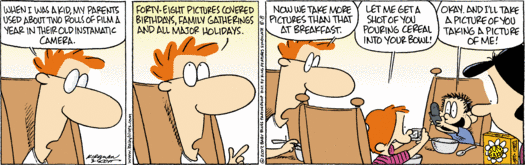
Baby Blues old new Age photos Cell mobile camera digital

நன்றி: பேபி ப்ளூஸ்

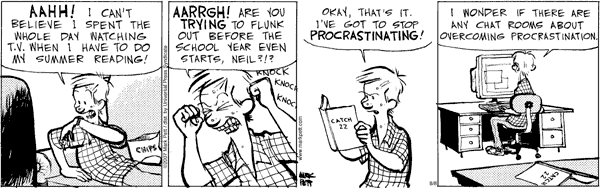
Lucky Cow Addiction Catch 22 TV Youth Computers

நன்றி:  லக்கி கௌ

Reading Recommendations – American & English Fiction

ஆங்கிலத்தில் ‘must read’ என்று ஒரு பட்டியல் போடச்சொன்னால், நீங்கள் பரிந்துரைக்கும் பட்டியல் தருவீர்களா எனக்கு? நவீன இலக்கியத்தில் தான் வேண்டும்.

என்று நண்பரிடமிருந்து கேள்வி. என்றாவது நேரம் கிடைக்கும்போது படிக்க வேண்டும் என்று நான் நினைக்கும் பட்டியல்:

  1. Reservation Blues – Sherman Alexie (1995)
  2. The House of Spirits – Isabel Allende (1985)
  3. Money – Martin Amis (1984)
  4. Bless Me, Ultima – Rudolfo Anya (1973)
  5. Alias Grace – Margaret Atwood (1996)
  6. Go Tell it on the Mountain – James Baldwin (1953)
  7. Collected Fictions – Jorge Luis Borges (1998)
  8. Drop City – TC Boyle (2003)
  9. Fahrenheit 451 – Ray Bradbury (1953)
  10. Ender’s Game – Orson Scott Card (1985)
  11. Death Comes for the Archbishop – Willia Carther (1927)
  12. The Big Sleep – Raymond Chandler (1939)
  13. The Fruit ‘N Food – Leonard Chang (1996)
  14. Donald Duk – Frank Chin (1991)
  15. A Murder is Announced – Agatha Christie (1950)
  16. American Woman – Susan Choi (2003)
  17. Fifth Business – Robertson Davies (1970)
  18. Rockbound – Frank Praker Day (1928)
  19. White Noise – Don DeLilo (1985)
  20. The Red Tent – Anita Diamant (1997)
  21. The stolen Child – Keith Donohue (2006)
  22. A Yellow Raft on Blue Water – Michael Dorris (1987)
  23. An American Tragedy – Theodore Dreiser (1925)
  24. Invisible Man – Ralph Ellison (1952)
  25. Love Medicine – Louise Erdrich (1984)
  26. Middlesex – Jeffrey Eugenides (2002)
  27. The Sound and the Fury – William Faulkner (1929)
  28. The Great Gatsby – F Scott Fitzgerald (1925)
  29. From Russia with Love – Ian Fleming (1957)
  30. Inez – Carlos Fuentes (2000)
  31. A gathering of Old Men – Ernest J Gaines (1983)
  32. Dreaming in Cuban – Cristina Garcia (1992)
  33. I Wish Someone were Waiting for me Somewhere – Anna Gavalda
  34. Herland – Charlotte Perkins Gilman (1915)
  35. Three Junes – Julia Glass (2002)
  36. Rites of Passage – William Golding (1980)
  37. Our Man in Havana -Graham Greene (1958)
  38. The Maltese Falcon – Dashiell Hammett (1930)
  39. The Puppet Masters – Robert Heinlein (1951)
  40. Winter’s Tale – Mark Helprin (1983)
  41. Goodbye, Mr. Chips – James Hilton (1934)
  42. The River King – Alice Hoffman (2000)
  43. Brave New world – Aldous Huxley (1932)
  44. Deafening – Frances Itani (2003)
  45. The Love Wife – Gish Jen (2004)
  46. Dead Solid Perfect – Dan jenkins (1974)
  47. The Colony of Unrequited Dreams – Wayne Johnston (1998)
  48. The Healing – Gayl Jones (1998)
  49. Fear of Flying – Erica Jong (1973)
  50. Echo House – Ward Just (1997)
  51. Andersonville – Mackinlay Kantor (1955)
  52. Fateless – Imre Kertesz (1975)
  53. Sometimes a Great Nation – Ken Kesey (1964)
  54. Green Grass, Running Water – Thomas King (1993)
  55. Animal Dreams – Barbara Kingslover (1990)
  56. A Separate Peace – John Knowles (1959)
  57. The Buddha of Suburbia -Hanif Kureishi (1990)
  58. The Diviners – Margaret Laurence (1974)
  59. The Gangster We All are Looking For – Thi Diem Thuy Le (2003)
  60. Native Speaker – Chang-Rae Lee (1995)
  61. The Call of the Wild – Jack London (1903)
  62. Zami – Audre Lorde (1983)
  63. Midaq Alley – Naguib Mahfouz (1947)
  64. Blood Meridian – Cormac McCarthy (1985)
  65. The Heart is a Lonely Hunter – Carson McCullers (1940)
  66. Beloved – Toni Morrison (1987)
  67. Song of Solomon – Toni Morrison (1977)
  68. Little Scarlet: An Easy Rawlins Novel – Walter E Mosley (2004)
  69. The Delta of Venus – Anais Nin (1969)
  70. When the Emperor was Divine – Julie Otsuka (2002)
  71. Kiss of the Spider Woman – Manuel Puig (1976)
  72. Atlas Shrugged – Ayn Rand (1957)
  73. Joshua Then and Now – Mordecai Richler (1980)
  74. Housekeeping – Marilyn Robinson (1980)
  75. The Counterlife – Phillip Roth (1986)
  76. The Catcher in the Rye – JD Salinger (1951)
  77. The Killer Angles – Michael Shaara (1974)
  78. The Stone Diaries – Carol Shields (1993)
  79. Prep: A Novel – Curtis Sittenfeld (2005)
  80. In America – Susan Sontag (2000)
  81. The Prime of Miss Jean Brodie – Muriel Spark (1961)
  82. Angle of Response – Wallace Stegner (1971)
  83. The Grapes of Wrath – John Steinbeck (1939)
  84. The Bonesetter’s Daughter – Amy Tan (2001)
  85. A Confederacy of Dunces – John Kennedy Toole (1980)
  86. Anatomy of a Murder – Robert Traver (1958)
  87. Reversible Errors – Scott Turow (2002)
  88. Rabbit Angstrom: The Four Novels – John Updike (1995)
  89. The Hummingbird’s Daughter – Luis Alberto Urrea (2005)
  90. Washington DC: A Novel – Gore Vidal (1967)
  91. Slaughterhouse-Five : Kurt Vonnegut (1969)
  92. Force Majeure – Bruce Wagner (1991)
  93. Meridian – Alice Walker (1976)
  94. All the King’s Men – Robert Penn Warren (1946)
  95. Decline and Fall – Evelyn Waugh (1928)
  96. The Day of the Locust – Nathaniel West (1939)
  97. The Old School – Tobias Wolff (2003)
  98. Native Son – Richard Wright (1940)
  99. A Good School – Richard Yates (1978)
  100. We – Eugene Zamyatin (1920)

இது ஒரு ஜாலியான பட்டியல். ‘அவசியம் படிக்க வேண்டும்’ அல்லது ‘மிகவும் புகழ் பெற்றவை’ என்பதை விட வெரைட்டி + வித்தியாசம் நிறைந்த லிஸ்ட்.

அவசியம் புரட்ட வேண்டிய புத்தகங்களுக்கு The Book of Great Books: A Guide to 100 World Classics: (W. John Campbell) போன்றவற்றையும் கவனிக்கலாம்.

Quotes – Jeyamohan on Historical Archives (Book Reader)

1. Thinnai: சில வரலாற்று நூல்கள் 1மதுரை நாடு : ஒரு ஆவணப்பதிவு (ஜெ.எச்.நெல்சன்) :: ஜெயமோகன் [The Madura Country -A manual J..H..Nelson.Asian Educational Services New Delhi, Madras, 1989]

2. Thinnai: சில வரலாற்று நூல்கள் 2 – திருநெல்வேலி மாவட்ட ஆவணப்பதிவு – ஹெச்.ஆர்.பேட் ஐ.சி.எஸ் :: ஜெயமோகன் [Tinneveli District Gazetteer By H.R.Pate I.C.S. ]

ஆங்கிலேயர் எழுதிய ஆவணக்குறிப்புகள் மற்றும் வரலாற்று நூல்கள் பொதுவாக கீழ்க்கண்ட சிறப்புகள் உடையவை.
1. தெளிவான செறிவான நடை
2. ஏராளமான தகவல்கள்
3. தகவல்களை பகுக்கவும் தொகுக்கவும் அறிவியல்நோக்கு சார்ந்த ஒரு அடிப்படைத்தளம்
4. பிரச்சார நோக்கம் இல்லாத பதிவுத்தன்மை.
5. பலதுறை அறிதல்களை தொகுக்கும் இயல்பு

அவை அனைத்துக்குமே கீழ்க்கண்ட குறைகளும் உண்டு
1. ஆதிக்க இனத்தின் நோக்கில் இந்தியாவை பார்ப்பதனால் உருவாகும் இயல்பான அலட்சியமும் புரிதல் குறைகளும்
2. மதக்காழ்ப்பும் மதக்காழ்ப்புள்ள பாதிரிமாரின் நூல்களை சார்ந்திருக்கும் தன்மையும்
3. இந்தியா போன்ற ஒரு பரந்த நாட்டின் பல்லினப் பலமொழி பலமதப் பண்பாட்டை எளிதில் பொதுமைப்படுத்திக்கொள்ளும் முயற்சி.

கட்டப்பொம்மு நாயக்கனும் பூலித்தேவனும் நடத்திய கலகங்களின் விரிவான சித்திரம் அளிக்கப்படுகிறது. கட்டப்பொம்மு நாயக்கரின் கலகம் நாம் நன்கறிந்த சிவாஜிகணேசனின் திரைப்படம் காட்டும் சித்திரத்துக்கு பலவகையிலும் வேறுபட்டு இந்நூலில் காட்சியளிக்கிறது. கட்டபொம்மு நாயக்கருக்கு தேசியம் சார்ந்த புரிதலோ ஒரு நாட்டை அமைக்கும் நோக்கமோ இருந்ததாக தெரியவில்லை.

பிற பாளையக்காரர்களைப்போல அவரும் மற்ற பாளையபப்ட்டுகளில் மக்களை கொள்ளையடிப்பதை வழக்கமாகக் கொண்டிருக்கிறார். பிரிட்டிஷார் அவரை கட்டுப்படுத்தி கடுமையான கிஸ்தி போடுகிறார்கள். பொதுவாக பாளையக்காரர்களுக்கு போடப்பட்ட கிஸ்திக்கு எதிராக கடுமையான அதிருப்தி இருந்தது. அதற்கு எதிர்ப்பு தெரிவித்து லெ·ப்.ஜாக்ஸனிடம் வாதாடியபின் இறங்கிச்ச்செல்லும் வழியில் கட்டப்பொம்மு நாயக்கர் அவரை தடுக்க முயன்ற ஆங்கில ஊழியர் கிளேர்க்கை கொன்று தப்பிச்செல்கிறார்.

கட்டபொம்மு நாயக்கருக்கு அவரைச் சுற்றியிருந்த மறவர், வன்னியர் பாளையக்காரர்கள் அனைவருமே எதிராக இருக்கிறார்கள். ஊத்துமலை ஜமீந்தாரும், சிவகிரி ஜமீந்தாரும் சுப்ரமணியபிள்ளை தலைமையில் தங்கள் நாடுகளில் கொள்ளையடிக்கும் பாஞ்சாலங்குறிச்சிக்காரர்களுக்கு எதிராக போராட வெள்ளையரை தங்கள் உதவிக்கு அழைக்கிறார்கள். இவர்களின் உதவிகொண்டு கட்டப்பொம்மு நாயக்கர் ஒடுக்கப்படுகிறார். இதன் விரிவான தகவல்கள் இந்நூலில் அளிக்கப்படுகின்றன.


3. Thinnai: சில வரலாற்று நூல்கள் – 3 மதுரை நாயக்கர் வரலாறு : (அ.கி.பரந்தாமனார் எம்.ஏ) :: ஜெயமோகன் [பாரிநிலையம். 90 பிரகாசம் சாலை சென்னை 600018]

  • விஜயநகரத்தின் மிகச்சிறந்த மன்னரான கிருஷ்ண தேவராயர் இன்று கர்நாடகத்தில் ராஜராஜசோழன் போல ஒரு தொன்மமாக கருதப்படும் பெருமன்னர். [நான் கிருஷ்ண தேவராயன் என்ற பேரில் ரா.கி.ரங்கராஜன் ஒரு நாவல் எழுதியிருக்கிறார்]
  • அவர் தன் தளபதி நாகம நாயக்கனை மதுரையை கைப்பற்றி கப்பம் பெற்றுவர அனுப்பினார். நாகமன் மதுரையைக் கைப்பற்றி தன்னை மதுரை மன்னனாக பிரகடனம் செய்து கொண்டார். ஆகவே நாகமனை வென்றுவர நாகமனின் மகன் விஸ்வநாத நாயக்கனின் தலைமையில் ஒரு படையை அனுப்பினார் ராயர். மகன் தந்தையை வென்று சிறைப்பிடித்து கொண்டுசென்று ராயர் முன் நிறுத்தினான்.இந்த துரோகத்தை ஏன் செய்தாய் என்று ராயர் நாகமனிடம் கேட்டபோது என் மகனுக்கு ஒரு நாட்டைக் கொடுக்கவேண்டும் என்பதற்காகத்தான் என்று நாகமன் சொன்னதாகவும் விஸ்வநாத நாயக்கனிடம் உனக்கு என்ன பரிசு வேண்டும் என்று ராயர் கேட்டபோது அவன் தன் தந்தையின் உயிரை கேட்டதாகவும் ராயர் விஸ்வநாதனை மதுரையின் சுதந்திர மன்னனாக பிரகடனம் செய்ததாகவும் சொல்லப்படுகிறது. அவ்வாறு மதுரை நாயக்க வம்சத்தின் முதல் மன்னனாக 1529ல் விஸ்வநாத நாயக்கன் முடிசூடினார் [இதை அகிலன் வெற்றித்திருநகர்‘ என்ற நாவலாக எழுதியிருக்கிறார்]
  • இன்று தென் தமிழகத்தில் உள்ள முக்கியமான சாலைகள் மங்கம்மாள் போட்டவை. அவற்றை ஒட்டி உருவான புது ஊர்களே இன்றைய முக்கிய நகரங்களான சாத்தூர் சிவகாசி கோயில்பட்டி முதலியவை. இவற்றை இன்றும் கிராம மக்கள் மங்கம்மாள் சாலை என்றே சொல்கிறார்கள்– இப்போது போடப்படும் நாற்கரச் சாலையைக்கூட! மங்கம்மாள் கட்டிய பல வழிப்போக்கர் சத்திரங்கள் இன்றும் சாலையோரம் உள்ளன. [நா பார்த்தசாரதி ராணிமங்கம்மாள் என்ற நாவலை எழுதியிருக்கிறார்]

4. Thinnai: சில வரலாற்று நூல்கள் 4 – தமிழ்நாட்டு பாளையக்காரர்களின் எழுச்சியும் வீழ்ச்சியும்: கெ.ராஜையன் :: ஜெயமோகன் [Rise And Fall Of Poligars Of Tamilnad . Prof .K.Rajaiyyan M.A, M.Litt, A.M, PhD, Published by University Of Madras 1974]

    Unsettling history of assassinations (Rajiv et al)

    It was on July 29, 1987, that then Indian prime minister Rajiv Gandhi flew to Colombo to sign the agreement with president J.R. Jayewardene in a bid to end a raging Tamil separatist drive.

    For the first time in Sri Lanka’s troubled history, the country was formally recognised as a multi-religious, multi-ethnic and multi-lingual society. It also brought about the only major act of constitutional reforms, devolving powers to minorities in the form of provincial councils with judicial, civil and police services.

    The fighting between the LTTE and Indians not only led to the death of nearly 1,200 Indian soldiers and hundreds of Tamils, combatants and non-combatants

    இது செய்திThe accord’s 20th anniversary.


    இப்பொழுது புத்தகங்கள்:1. “Royal Murders” by Dulcie M. Ashdown (Sutton, 1998) – murders of European rulers

    2. “Political Murder” by Franklin L. Ford (Harvard, 1985) – The most successful political assassins, he believes, approximate the pop-culture stereotype of lone killers who act primarily to earn a place in history, snuffing out useful lives so that their meaningless ones will be remembered.

    3. “Killing No Murder” by Edward Hyams (Thomas Nelson, 1969) – Murderous anarchists would plague Europe and America for more than a decade.

    4. “Assassination” by Linda Laucella (Lowell House, 1998) – looks at assassins as individuals

    5. “American Brutus” by Michael W. Kauffman (Random House, 2004) – Kauffman’s Booth is the author of the 19th century’s most complex assassination conspiracy, designed to cripple the country’s command structure by eliminating the president, vice president and secretary of state in a single night’s work.

    Fetherling, a Canadian novelist and poet, is the author of “The Book of Assassins” (John Wiley).

    Amazon Books – Wishlist

    1. Oliver August: Inside the red Mansion / Excerpt: சீனாவில் ‘நாயகன்’ (நிஜக்) கதை

    Amazon.com: Inside the Red Mansion: On the Trail of China’s Most Wanted Man: Books: Oliver August

    2. The Boys from Dolores: Fidel Castro’s Classmates from Revolution to Exile: Patrick Symmes – Washington Post Book Reviews – THE BOYS FROM DOLORES: Fidel Castro’s Classmates From Revolution to Exile – ArcaMax Publishing

    The Boys from Dolores is a chronicle of 230 young students and the Cuba they were born to lead. Brought together one day in 1940 for a school photo at one of the island’s most elite academies, their ranks included future doctors and engineers, refugees and warriors, and two brothers – Fidel and Raúl Castro – who would come to rule the fate of all Cubans.

    The Boys from Dolores follows the tale of this generation, born to privilege and power, which gave birth to the Cuban Revolution. Dozens of the boys from Dolores would aid their classmate Fidel in his rise to power; some would later take up arms against him. Ranging from the basketball courts and alleys of Santiago, Cuba, to the beaches of the Bay of Pigs and Miami, The Boys from Dolores offers a collective biography of the generation that made and lost Cuba.

    This is the story of Cuba across 70 years of tumult, battle, Revolution, and diaspora, a tale of success and ruin, or escape and defeat.

    3. Indian Summer: The Secret History of the End of an Empire: Books: Alex Von Tunzelmann – இந்திய இணையம் முழுக்க இதப் பற்றித்தான் பேச்சு

    N்ewindpress on Sunday: Tunzelmann provides the fascinating factoid that World War II and reconstruction loans were fully paid back by Britain only in December 2006 — irritated by American reservations about the imperial venture, overwhelmed by the Nehru-Jinnah fight, perplexed by the Mahatma, wary of Sardar Patel and with neither the resources nor the will to stop sectarian violence, the British establishment gave up India and gave up on India.

    4. India After Gandhi: Ramachandra Guha

    1. The Hindu : Book Review : Democracy in practice: “A tribute to Indian democracy capturing the pain and the struggle, the humiliations and the glories”
    2. Midnight’s citizens | Review | Guardian Unlimited Books: “Amit Chaudhuri is impressed by Ramachandra Guha’s shrewd survey of India since the second world war, India After GandhiGuha, as a citizen, has been “exasperated” by India, but, in the light of historical evidence, has been won over by it. This mixture of distance and surrender is fairly emblematic of why many middle-class Indians continue to invest themselves, emotionally, in the country; it’s quite distinct from patriotism.

      Guha’s book reminds us that the citizenly pride that permeates it is not incompatible with judgment, hindsight, intelligence and distance; that citizenship is not a natural thing, but that it is, in some cases, inevitable.”
    3. Tehelka – The People’s Paper: “Ramachandra Guha in conversation with Sankarshan Thakur on the historian’s new book, India After Gandhi, and the ideas and errors that shape us”
    4. remain connected
    5. : Why Is India the most Interesting Country in the World ?

    6. Independent Online Edition > Reviews: “Two cheers for democracy”

    5. The Fire This Time: Randall Kenan

    1. Identity crisisLos Angeles Times
    2. Kenan may be a good chronicler and debater, but he lacks the instincts of an essayist. He mounts arguments and then forgets about them or lets them teeter; he mistakes detail for substance, piling on scenes from his boyhood in rural North Carolina that are interesting but often not germane to anything. His narrative voice is inconsistent: He talks to himself here, lectures the reader there. His discussion of certain common-knowledge topics can be downright patronizing — for instance, he speaks of the American tendency toward anti-intellectualism as if we’ve never heard of it before.

    3. Three Answer: Randall KenanPublishers Weekly

    6. Sister Outsider: Essays & Speeches: Audre Lorde

    SISTER OUTSIDER presents essential writings of black poet and feminist writer Audre Lorde, an influential voice in 20th century literature. In this varied collection of essays, Lorde takes on sexism, racism, ageism, homophobia, and class, and propounds social difference as a vehicle for action and change. “Being an open lesbian in the Black community is not easy, although being closeted is harder.”

    Sister Outsider: Answers.com

    7. Interventions: Noam Chomsky

    1. நேர்காணல்கள்
    2. uprisingradio.org » ஒலிப்பதிவு
    3. Interventions: Foreign Policy Since 9-11
    4. Part II
    5. Part III
    6. Part IV
    7. Part V

    8. Poisoned Nation: Pollution, Greed, and the Rise of Deadly Epidemics: Loretta Schwartz-Nobel

    மைக்கேல் மூரின் ‘சிக்கோ‘ பார்த்த சூட்டோடு புரட்ட வேண்டிய புத்தகம். நோய்களை யார் கொடுக்கிறார்கள்? எவ்வாறு குணப்படுத்தி காசு பார்க்கிறார்கள்?

    1. No place at the table Sojourners Magazine: Growing Up Empty
    2. Still hungry: The Hunger Epidemic in America

    நேற்று: சிவாஜி; இன்று: ஐ-போன்; நாளை: ஹாரி பாட்டர்

    11 similarities between the iPhone and Rajni « churumuri

    நியு யார்க் டைம்ஸ் புத்தக விமர்சனம்: By MICHIKO KAKUTANI

    Harry Potter and the Deathly Hallows – J.K. Rowling – Books – Review – New York Times: “J. K. Rowling’s monumental, spellbinding epic, 10 years in the making, is deeply rooted in traditional literature and Hollywood sagas — from the Greek myths to Dickens and Tolkien to “Star Wars.” And true to its roots, it ends not with modernist, “Soprano”-esque equivocation, but with good old-fashioned closure: a big-screen, heart-racing, bone-chilling confrontation and an epilogue that clearly lays out people’s fates.

    Objects and spells from earlier books — like the invisibility cloak, Polyjuice Potion, Dumbledore’s Pensieve and Sirius’s flying motorcycle — play important roles in this volume, and characters encountered before, like the house-elf Dobby and Mr. Ollivander the wandmaker, resurface, too.

    One of the plot’s significant turning points concerns Harry’s decision on whether to continue looking for the Horcruxes (secret magical objects in which Voldemort has stashed parts of his soul, objects that Harry must destroy if he hopes to kill the evil lord) — the mission assigned to him by the late Dumbledore — or to pursue the Hallows, three magical objects said to make their possessor the master of Death.

    He will be forced to ponder the equation between fraternity and independence, free will and fate, and to come to terms with his own frailties and those of others. (People) may be more complicated than they initially seem, that all of them, like Harry, have hidden aspects to their personalities, and that choice — more than talent or predisposition — matters most of all.

    The world of Harry Potter is a place where the mundane and the marvelous, the ordinary and the surreal coexist. It’s a place where cars can fly and owls can deliver the mail, a place where paintings talk and a mirror reflects people’s innermost desires. It’s also a place utterly recognizable to readers, a place where death and the catastrophes of daily life are inevitable, and people’s lives are defined by love and loss and hope — the same way they are in our own mortal world.”

    Legacy of Ashes: The History of the CIA

    Tim Weiner chronicles the history of the Central Intelligence Agency in his book Legacy of Ashes: The History of the CIA. His research included the use of over 50,000 documents and interviews with ten directors of central intelligence. Mr. Weiner analyzes the inherent difficulties in maintaining classified information in an open democracy, and argues that the CIA has consistently struggled in the field of espionage.

    Timeline by NYT - Evolution of the Interrogation Tactics from September 11

    நன்றி: Timeline by NYT – Evolution of the Interrogation Tactics from September 11

    Amazon.com: Legacy of Ashes: The History of the CIA: Books: Tim Weiner: “This book shines in its vivid accounts of the agency from 1950-1970, covering its inception after Truman, its founding under Ike and bumbling under Kennedy/LBJ and Nixon. The reader leaves with an understanding of the CIA central role in American Foreign Policy during the time and its subsequent downfall.

    Would have liked more information from the Clinton and Bush 43 administations. Doesn’t really get in depth with the CIA’s role in picking up on the growing omen of terrorism.”

    While there have been other books written about just how much the CIA resembles the Keystone Cops, such as Mike Ledeen‘s “Terror Masters” book written several years ago, (If you’ve read Steven Emerson’s American Jihad, Ellen HarrisGuarding the Secrets, Robert Baer‘s See No Evil and keep current with the work of the Middle East Media Research Institute and Middle East Quarterly, Ledeen’s book won’t provide many revelations) Weiner has put together a laundry list of bumbling that is most telling. As Ledeen says, the CIA has become an agency with the efficiency of the Post Office and the intensity of the Agriculture Department.

    The Family Jewels :: Video – New York Times :: Timeline of the C.I.A.’s ‘Family Jewels’

    Rules Lay Out C.I.A.’s Tactics in Questioning – New York Times

    Kosu (Novel) – Paa Raghavan

    கொசுவைக் குறித்த முன்னுரையோடு இந்த நாவல் குறித்த விமர்சனத்தைத் தொடங்கலாம்.

    கதைப்படி, தொண்டன் என்பவன் கொசு.

    அரசியல் என்னும் ‘நிர்வாண சாமியார்களின் குமுகாயத்தில்’ கொசுவுக்கு சிப்பந்தியாக பணி. சுதந்திரமாக ஆடை களைந்தவர்கள் அனுபவித்து மகிழ்வதை கொசு ஆசையுடன் பார்க்கும். காட்டன் மறைத்த தேகத்தை அணுகுவது எளிது. இடுக்கு போர்ஷன்களில், அவாவுடன் நெருங்கி மறைவாக உறிஞ்சி விட்டு கொசுவாகப் பறந்து விடலாம். மில்லிமீட்டர் மேலாடை கூட மறைக்காத இராசவட்டத்தின் அண்டப் பெருவெளியில், எங்கு தொடங்குவது, எப்படி தொடருவது என்று அடி முடி அறியவொண்ணா கட்சிக்கடலில் தொண்டர்கள் குழம்பும்.

    கொசுக்கள் எயிட்ஸை பரப்பாது என்றாலும், சிக்கன் குனியாவில் முடங்க வைக்கும். டெங்குக் காய்ச்சலில் சாவடிக்கும் திறமும் கொண்டது. வாரிசு அரசியலை மீறி புதிய முதல்வர்களை கொடுக்க முடியாவிட்டாலும், கவுன்சிலரின் காலை வாரி விடும் திறன் படைத்தது. சில சமயம் எம்.எல்.ஏ.க்கள் கவிழ்வதால் ஆட்சி மாற்றங்களைக் கூட தந்து விடும் சக்தியும் படைத்தது.

    ஓ +வ், ஏ1பி -வ் என்றெல்லாம் சாதி, சமயம் பார்க்காது, கிடைக்கக்கூடியதை வைத்து பிழைப்பு நடத்தும். தொண்டனுக்கு டெமொக்ரட்ஸ், ரிபப்ளிகன் என்னும் பற்றெல்லாம் கிடையாது. ஏதொவொன்றை சிக்கென்று பற்றிக் கொண்டு வாழ்க்கையை தள்ளிக் கொள்ளும்.

    ஒரே அடியில் கொசுவை அடிப்பது விக்ரமனின் ஒரே  பாடலில் லட்சாதிபதியாகும் சுகானுபவம் நிறைந்த மனச்சாந்தியை அளிக்கவல்லது. உங்கள் அலுவல் கோபம், இல்லத்தரசி சமையலில் உள்ள நொள்ளை, மழலைகளின் தெனாவட்டு அலட்சியம் என்று அத்தனையும் நொடி நேரத்தில் கொசு நசுக்கப்படும்போது மோட்சம் பெறும். முறையே, மேலிடத்து அருள்பாலித்தல், உள்கட்சிப் பூசல், தொண்டர் படை சேர்ப்பு, என்று அத்தனையும் நொடி நேரத்தில் தொண்டன் என்னும் கொசுவேட்டையில் சித்திக்கும்.

    அமெரிக்காவில் ஒவ்வொரு மாநிலத்துக்கும் சின்னமாக மாகாணத்தின் பறவை, மாகாணத்திற்கான கொடி, எல்லாம் உண்டு. அவ்வாறு சென்னைக்கு என்றாவது என்ன பிராணி தேர்ந்தெடுக்கலாம் என்று யோசிப்பார்களேயானால், ‘கொசு’ என்பதுதான் மதராஸின் ஒருமித்த கருத்தாக இருக்கும்.

    கடைசியாக, கொசு பாட்டுக்கு தானுண்டு, தன் பறத்தல் உண்டு என்று வீட்டில் பறக்கும் செல்லப் பிராணியான போல் இருந்தால், சிறுநீர் முதல் சிற்றுண்டி வரை சமபந்தி போஜனமாக சிசுருஷைகள் நடக்கும். கொசு போல் தன் வேலையை மனிதரிடம் காண்பித்தால்தான், அடிபட்டு கொல்லப்படுகிறார்கள்.

    யானையின் காதில் புகுந்த கொசு என்று பெரியவர்களைப் பாடாய்படுத்திய கொசுவின் கதைகளை ‘சிவாஜி’ சினிமாக்கள் சொல்லும். பா. ராகவனின் கொசு, அசல் அனுபவங்களின் ரீங்காரமாக, நிஜத்தை, யதார்த்தத்தை டைலர் முத்துராமன் கொண்டு தைக்கிறது.

    (தொடரலாம்)